Facial Lymphatic Drainage After Surgery, Central Harlem
By Body Sculpt Studios - Post-Op Care, Lymphatic Drainage Massage, Body Sculpting, Weight Management & TRAINING ACADEMY | November 12, 2026
2130 Adam Clayton Powell Blvd, New York, NY 10027 | +19144279395 | fatloss@bodysculptstudios.com
One of my clients told me she’d had 13 massages with my team and felt improvement every session, especially once she was back home in NYC after surgery. That’s exactly what post-op facial lymphatic drainage is for: a gentle, specialized massage that helps reduce swelling, move fluid out faster, and ease bruising after your surgeon clears you. I’m based in Central Harlem, and in this guide I’ll walk you through timing, what it feels like, which facial options I use most often, and how to decide what to book.
Who actually searches “facial lymphatic drainage” after surgery in NYC?
Most people find me when they’re in that in-between stage: surgery is done, you’re healing, and your face does not look like “you” yet. Swelling tends to feel unpredictable, and it can mess with your confidence right when you’re trying to get back to work, family, and real life.
Facial lymphatic drainage massage is a great fit when your surgeon has cleared massage and you want a careful, non-aggressive way to support recovery. A lot of my post-op clients are balancing commuting schedules, childcare, or holiday plans, so I keep sessions efficient and focused. And if you’re coming in from Washington Heights, Morningside Heights, the Upper West Side, the Upper East Side, Hamilton Heights, or Mott Haven, Central Harlem is usually a straightforward ride.
Quick reality check: I won’t work on a fresh surgical area without clearance. If you’re not sure what your surgeon allows yet, tell me what procedure you had and your surgery date, and we’ll plan the safest next step.
My post-op care menu in Central Harlem: what I use, and who it’s best for
Post-op needs are rarely “one-size-fits-all.” Some people need hands-on swelling support. Others need help with lumps and bumps, garment guidance, or scar tissue work as healing progresses. These are the services people book most often with me and my team.
Surgical Drain Removal / Stitches Removal
After lipo, tummy tuck, or breast augmentation, drains are sometimes used to remove accumulated fluid. I remove surgical drains, and I also handle stitch removal when it’s time. Timing matters here: nylon or silk stitches are usually removed around 7 to 10 days to help prevent infection, scarring, or skin growing over the suture.
Best for: post-op clients who were sent home with drains or sutures and want a clean, careful removal process plus guidance on next-step healing.
Taping Wrap + Fat Burner Serum Method (includes Lymphatic Drainage Massage)
This is a structured series that blends lymphatic drainage massage with taping and wrap work. I use it to support swelling reduction, promote circulation, help bruising fade, and keep tissue moving in a healthier way as you heal. For stubborn areas like stomach, arms, or thighs, I can pair the wrap with ultrasonic cavitation or laser lipo plus a lipo-tropic serum.
Best for: clients post-lipo who want consistent swelling support and a plan. I often recommend 3 taping sessions as a starting point.
If your main concern is facial swelling after surgery, I often combine gentle lymph pathways work with targeted facial options that fit your post-op restrictions. If you want to go deeper on body-focused recovery, you can also read what to expect from post-op lymphatic drainage massage in Central Harlem.
What results feel real after lymph drainage on the face (and what takes time)
I’m very honest about this: post-op lymphatic work isn’t always “spa relaxing, ” but it should never be painful. When it’s done right, people usually describe feeling relief, less pressure, and a noticeable change in puffiness over a series.
I hear the same patterns over and over in my studio. People say they feel immediately better after each massage, especially when swelling has them uncomfortable or anxious. Some clients book packages because, in their words, “the more I get the more I see results and feel so much better after.” And for body post-op, clients talk about coming in with lumps and bumps and leaving feeling like “a brand new person.”
“I feel like every session I see improvement.”
one of our regulars
For facial lymphatic drainage after surgery, improvement tends to be gradual. A single session can calm things down, but the bigger difference usually shows up when you stay consistent and you’re doing your part between visits, like following surgeon instructions and wearing any recommended compression.
A typical facial lymphatic drainage massage visit (step-by-step, no surprises)
When you come in, I start with the basics: what surgery you had, when it was, what your surgeon has cleared, and what feels most annoying right now, like under-eye puffiness, jaw swelling, or tightness at the neck.
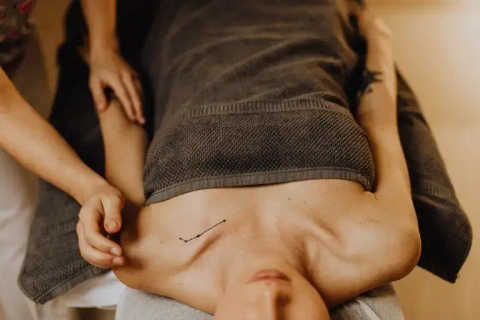
Then I set you up comfortably and begin with light, rhythmic strokes. This work is about direction and pacing, not pressure. If something feels tender, you tell me and I adjust immediately. If you’re doing a combo session, I’ll also show you simple self-massage cues that match what I’m doing in the room.
Before you leave, I’ll recap what I noticed and what I want you watching for next, like swelling fluctuations or areas that need gentler support. People love that we take time to answer questions, including garment fit and recovery logistics, because feeling confident changes everything.
Why post-op clients stick with me for weeks (and sometimes months)
I’ve been doing post-op care in New York for 17 years, and I don’t rush people through recovery. A lot of clients show up feeling nervous, confused, or alone with “all the post-op stuff.” My job is to guide you, keep it practical, and keep your care consistent.
Clients also tell me they appreciate how supported they feel after traveling for surgery. One person mentioned her procedure was in Miami, and once she got back to NYC she needed a reliable team to pick up the recovery piece. That’s a real situation, and it’s exactly what we’re set up to handle.
If you’re in Harlem, you’re close to landmarks like the Apollo Theater, 125th Street, and the Schomburg Center. If you’re coming from Midtown, the Upper West Side, or Washington Heights, we’re usually quick to get to by subway or bus, which matters when you’re healing.
If you’re ready to plan your recovery: call +19144279395. Tell me your procedure type, your surgery date, and what your surgeon has cleared so I can put you in the right facial lymphatic drainage slot.
FAQ: facial lymphatic drainage after surgery (timing, comfort, sessions)
How soon after a facelift can I get facial lymphatic drainage?
Timing depends on your surgeon’s protocol and what was done. Many people start gentle work somewhere between 48 to 72 hours and 2 weeks post-op, but I only begin once your surgeon clears you and any procedure-specific restrictions are followed.
Will lymphatic drainage help swelling after rhinoplasty?
It can be helpful for swelling management when your surgeon approves massage. I keep pressure very light and focus on lymph pathways, since post-rhinoplasty tissue can be sensitive. If you have splints, tapes, or specific “do not touch” areas, tell me and I’ll work around them.
Is facial lymphatic drainage painful?
No. This is gentle, rhythmic work and it should not hurt. You might feel temporary tenderness in swollen spots, but if anything feels sharp or “too much, ” I adjust right away. The goal is fluid movement and comfort, not pushing through pain.
How many post-op lymphatic drainage sessions will I need?
It varies by procedure, your swelling level, and how your body heals. A common rhythm is starting with a few gentle sessions close together once cleared, then moving to weekly or biweekly visits. I’ll suggest frequency based on what I see session to session, and I’ll keep the plan realistic for your schedule.
Do I need my surgeon’s written clearance before booking a post-op facial lymphatic drainage appointment?
I always require surgeon clearance before starting post-op lymphatic work. Written clearance is ideal. If you don’t have it yet, call and tell me what your surgeon advised so we can choose the safest timing and avoid anything that conflicts with your post-op rules.
What do you mean by “facial lymphatic drainage massage”?
Facial lymphatic drainage massage is a light-pressure technique that follows lymph pathways in the face, neck, and sometimes the upper chest to support fluid movement. I use slow, rhythmic strokes and gentle pumping, especially around areas that tend to hold swelling.
What is “lymphatic drainage in the face” and how is it different from regular face massage?
Regular face massage often focuses on muscle tension and deeper manipulation. Lymphatic drainage in the face is much lighter and more specific in direction, because I’m working with lymph flow rather than trying to “work out” tight muscles.
When people say “lymph drainage on face, ” what are they usually trying to fix?
Usually it’s puffiness, swelling after surgery, or that heavy, congested feeling around the cheeks, jaw, and under-eye area. Lymph drainage on the face is a support tool, and it works best when it’s paired with surgeon-approved aftercare.
Is “lymph drainage face massage” supposed to be done with strong pressure?
No. Strong pressure is not the point. I keep it gentle, rhythmic, and very controlled, especially post-op. If you’re looking for deep work, that’s a different type of session and not always appropriate right after surgery.